Cubes 25–26 mm: 3 products.
Editorial recommendation (Holster) first, then alphabetically by brand. No rating, no ranking. All values are manufacturer information.
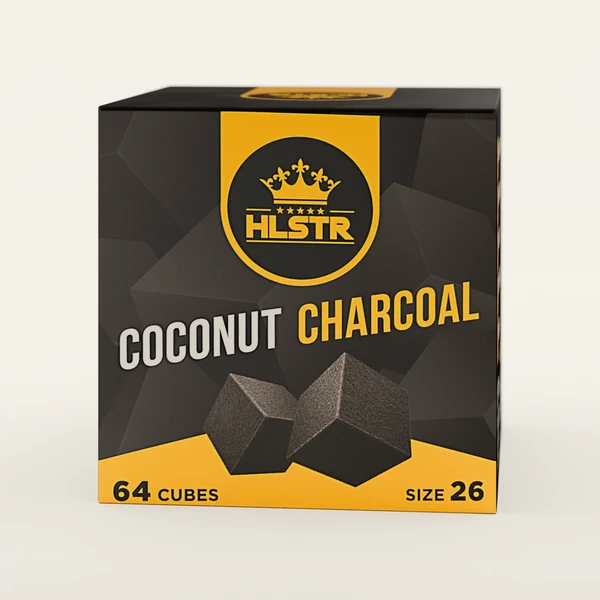
- Edge length26 mm
- ShapeCube
- Material (per manufacturer)not specified
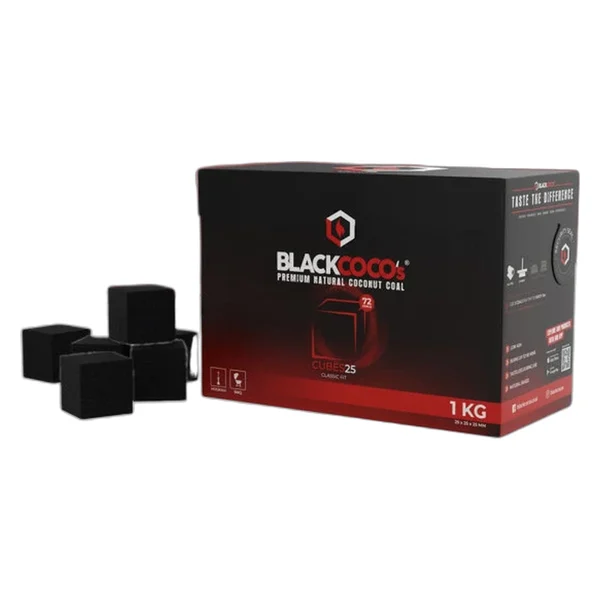
- Edge length25 mm
- ShapeCube
- Material (per manufacturer)Coconut shell
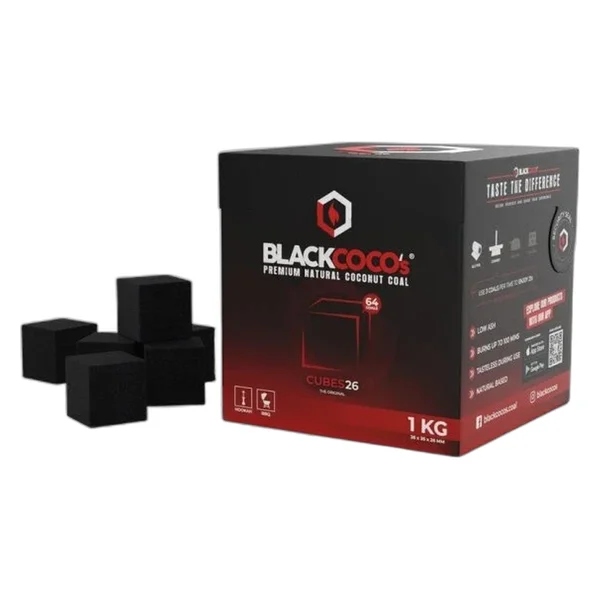
- Edge length26 mm
- ShapeCube
- Material (per manufacturer)Coconut shell
Cubes 27–28 mm: 3 products.
Editorial recommendation (Holster) first, then alphabetically by brand. No rating, no ranking. All values are manufacturer information.
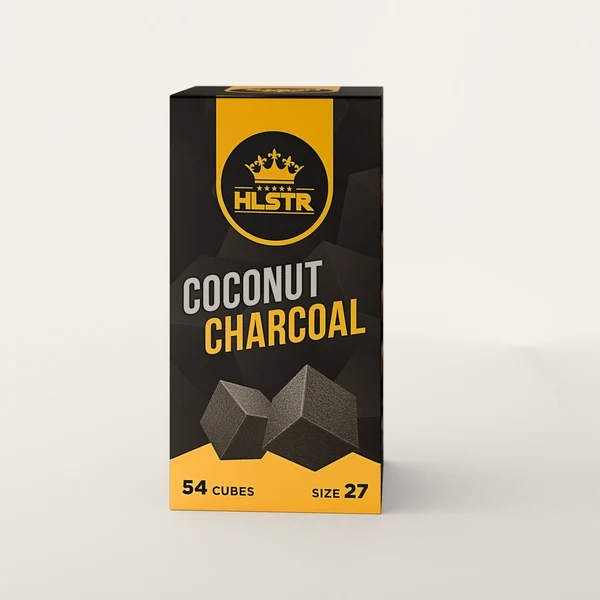
- Edge length27 mm
- ShapeCube
- Material (per manufacturer)not specified
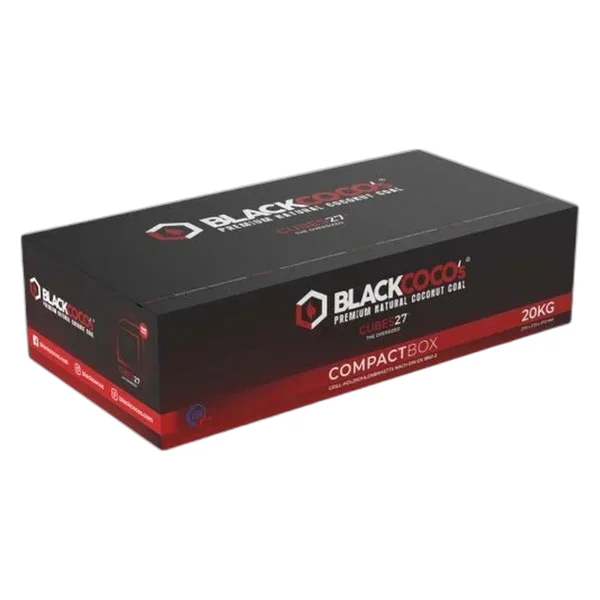
- Edge length27 mm
- ShapeCube
- Material (per manufacturer)Coconut shell
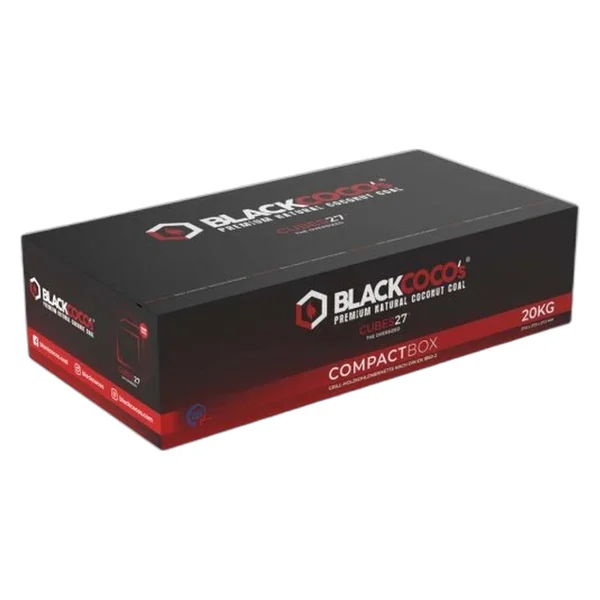
- Edge length28 mm
- ShapeCube
- Material (per manufacturer)Coconut shell
How the comparison works.
Choose size
Smaller cubes can be dosed more finely, larger ones bring more mass onto the head. What fits depends on the head and the heat management device.
Check the information
Edge length, material, pack size and ash content are shown exactly as the manufacturer states them. If information is missing, it says “not specified”.
Place side by side
Up to four charcoals can be compared directly. Differences are highlighted; there is no rating.
Frequently asked questions.
What is the difference between 26 mm and 27 mm charcoal?
The number stands for the edge length of the cube in millimetres. A 27 mm cube is slightly larger and heavier than a 26 mm cube. Which size suits a head better depends on the head shape, the heat management device and the amount of tobacco. More on this in the guide “Cube sizes”.
What is shisha charcoal made of and how is it produced?
Cube charcoal for the shisha is usually pressed from coconut shells. We only state the material if the manufacturer specifies it, and we label it as manufacturer information.
How many coals does a head need?
That depends on the head, the heat management device and the cube size. Manufacturers and retailers give different values for this. We therefore do not state a fixed number.
What should be observed when lighting?
Only light charcoal with good ventilation or outdoors, on a non-flammable surface, and only place it on the head once it is glowing all the way through. Glowing charcoal releases carbon monoxide. Only dispose of ash once it has cooled down completely.
Why is HLSTR shown as the editorial recommendation?
Shishakohlevergleich is an offering of the Holster brand, and HLSTR is distributed via Holster. We therefore label HLSTR as “Editorial recommendation (Holster)”. All other products appear alphabetically, without rating and without ranking.
Related questions.
What are the properties of coconut charcoal?
Coconut charcoal consists of carbonised, ground and pressed coconut shells. It is usually available as cubes with an edge length of 25 to 28 mm and must be glowing all the way through before use. Manufacturers often state the material, edge length, pack size and sometimes the ash content. This comparison shows exactly this information for each product.
Is natural charcoal better for the shisha?
Whether natural charcoal or quick-lighting charcoal is more suitable depends on how it is used. Natural charcoal made from coconut shells needs a lighter and lead time, but contains no ignition agent. Quick-lighting charcoal is ready faster and contains an ignition agent for this purpose. This comparison currently only lists pressed cube charcoal, because checked manufacturer information and images are only available for this type.
Which natural charcoal is suitable for the shisha?
Natural charcoal that is made specifically for the shisha is suitable, usually pressed cubes made from coconut shells. The right cube size depends on the head, the heat management device and the amount of tobacco. Barbecue charcoal is not intended for this. This comparison shows cubes from 25 to 28 mm with material, pack size and ash content, where manufacturers state them.
What is the difference between barbecue charcoal and shisha charcoal?
Shisha charcoal is made for the water pipe, usually as an evenly pressed cube made from coconut shells. Barbecue charcoal, by contrast, is usually made of wood, irregularly shaped and intended for the grill; briquettes can contain additives. Barbecue charcoal is therefore not intended for the shisha head. Both types of charcoal release carbon monoxide when glowing.